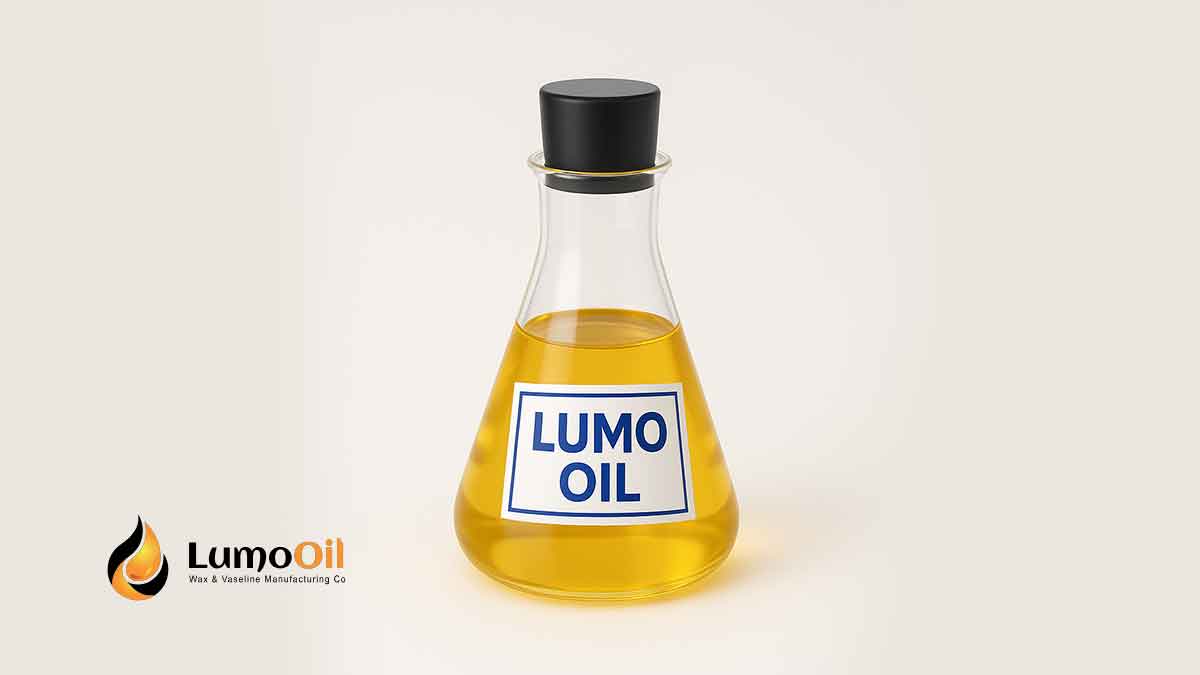

Exporting Petroleum and Chemical Products from Iran in 2025! In 2025, Iran continues to solidify its position as a significant exporter of petroleum and chemical products, notably slack wax, liquid paraffin, paraffin wax, and residue wax. These products are integral to various industries worldwide, and Iran’s abundant resources and strategic location make it a key player in the global market. This article delves into the specifics of these products, their applications, and the dynamics of exporting them from Iran.
Slack Wax
What is Slack Wax?
Slack wax is an unrefined mixture of oil and wax, derived during the production of lubricating oils. It serves as a precursor in the manufacturing of fully refined paraffin wax and has various industrial applications.
Applications of Slack Wax
- Candle Production: Used as a base material for candles.
- Particle Board and Medium-Density Fiberboard (MDF): Acts as a binding agent.
- Rubber Industry: Serves as a processing aid.
- Matches Manufacturing: Utilized in matchstick production.
Export Dynamics
Iran’s production of slack wax is substantial, catering to both domestic and international markets. The country’s refineries produce slack wax with varying oil content, meeting diverse customer specifications. Exporting slack wax involves ensuring compliance with international quality standards and understanding the specific requirements of importing countries.
Liquid Paraffin
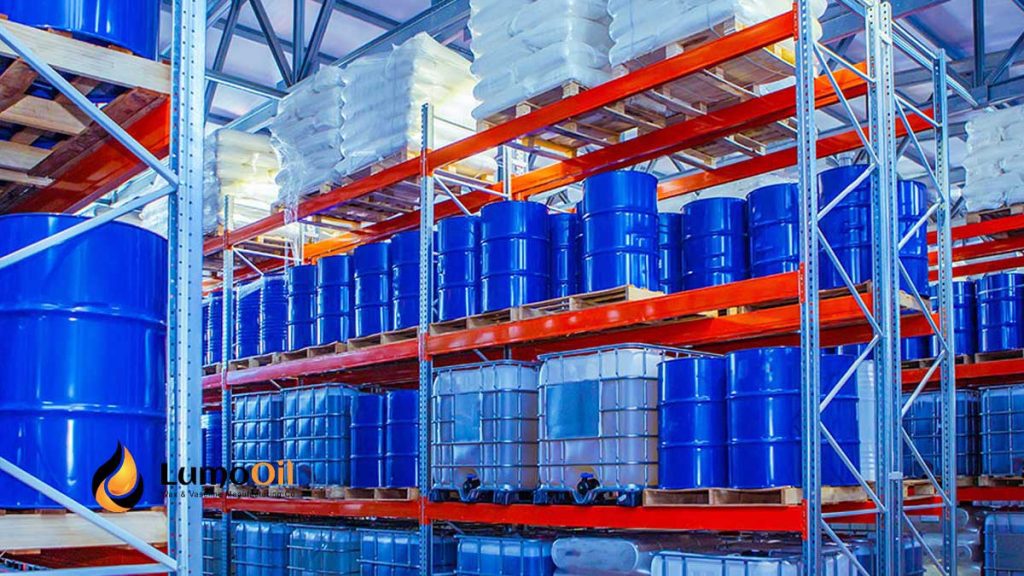
What is Liquid Paraffin?
Liquid paraffin, also known as mineral oil, is a highly refined, colorless, and odorless oil obtained from petroleum. It is widely used across various industries due to its versatility and purity.
Applications of Liquid Paraffin
- Pharmaceuticals: Employed as a laxative and in ointments.
- Cosmetics: Used in creams, lotions, and other personal care products.
- Food Industry: Serves as a release agent and lubricant.
- Textile Industry: Acts as a lubricant in fiber processing.
Export Dynamics
Iran’s capability to produce high-quality liquid paraffin that meets international standards such as BP, USP, and FDA approvals makes it a competitive exporter. The strategic location of ports like Bandar Abbas facilitates efficient shipping routes to major markets, including Dubai. Exporters must navigate regulatory requirements, ensure proper documentation, and maintain quality assurance to succeed in the global market.
Paraffin Wax
What is Paraffin Wax?
Paraffin wax is a white or colorless soft solid derived from saturated hydrocarbons. It is solid at room temperature and begins to melt above approximately 37°C. Paraffin wax is known for its excellent insulation properties and is widely used in various applications.
Applications of Paraffin Wax
- Candle Making: Primary material for producing candles.
- Packaging: Coating for paper and cardboard to make them water-resistant.
- Cosmetics: Ingredient in creams and lotions.
- Crayons: Base material for crayon production.
- Therapeutic Uses: Employed in heat therapy treatments.
Export Dynamics
Iran’s paraffin wax production is notable for its quality and adherence to international standards. The country’s refineries produce both fully refined and semi-refined paraffin wax, catering to diverse industrial needs. Exporting paraffin wax requires compliance with destination country regulations, proper packaging, and efficient logistics to ensure product integrity during transit.
Residue Wax

What is Residue Wax?
Residue wax is a byproduct obtained during the refining of crude oil, specifically during the production of lubricating oils. It comprises paraffinic and microcrystalline waxes, along with some oil content.
Applications of Residue Wax
- Rubber Industry: Used in the production of tires and other rubber products.
- Polishes: Ingredient in floor and furniture polishes.
- Carbon Paper Production: Utilized in the manufacture of carbon papers.
- Waterproofing Materials: Employed in creating water-resistant coatings.
Export Dynamics
Exporting residue wax from Iran involves understanding the specific quality requirements of the target market. Proper packaging, adherence to international shipping regulations, and efficient logistics are crucial to maintain product quality and meet delivery timelines.
Challenges in Exporting Petroleum and Chemical Products
While Iran holds a strong position in the production and export of these products, several challenges persist:
- International Sanctions: Ongoing sanctions can impact banking transactions and logistics.
- Fluctuating Oil Prices: Global oil price volatility affects production costs and pricing strategies.
- Regulatory Compliance: Ensuring adherence to the import regulations of different countries requires meticulous documentation and quality assurance.
- Logistical Constraints: Shipping routes, freight costs, and transit times can influence competitiveness in the global market.
Conclusion
Iran’s export of slack wax, liquid paraffin, paraffin wax, and residue wax in 2025 showcases the country’s significant role in the global petroleum and chemical industry.