
Liquid Paraffin: Comprehensive Uses for Skin Care! In the realm of dermatology and cosmetic science, liquid paraffin stands out as a versatile and widely utilized substance. Known for its emollient properties, it plays a pivotal role in various skin care applications. This article delves into the multifaceted uses of liquid paraffin, shedding light on its benefits and applications in maintaining and enhancing skin health.
Understanding Liquid Paraffin
Liquid paraffin, also referred to as mineral oil, is a clear, odorless, and tasteless oil derived from petroleum. Its inert nature makes it a popular ingredient in numerous cosmetic and pharmaceutical formulations. Due to its ability to form a protective barrier on the skin, it effectively prevents moisture loss, thereby maintaining skin hydration.
Emollient Properties and Moisturization
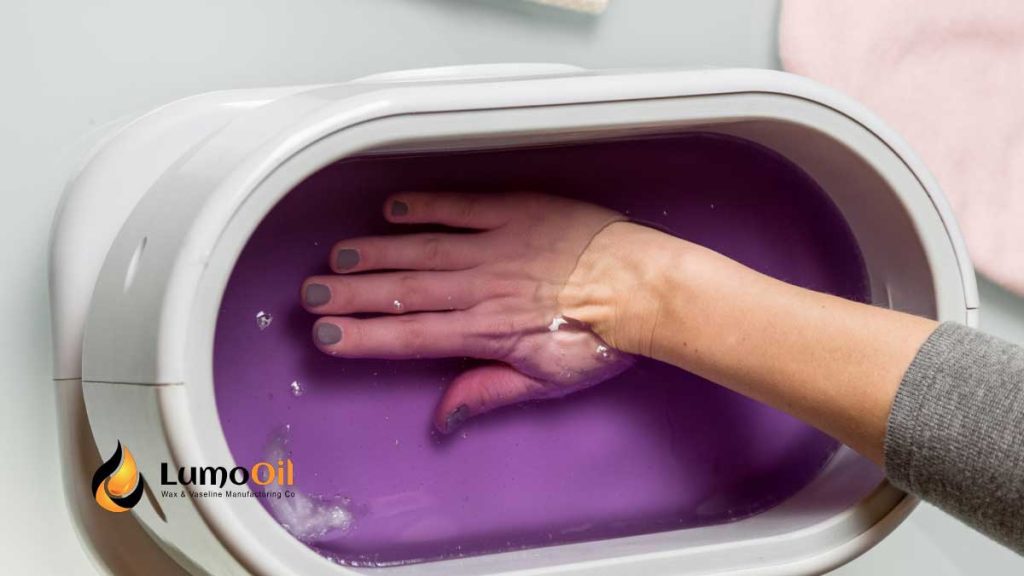
One of the primary uses of liquid paraffin is as an emollient. Emollients are substances that soften and moisturize the skin, reducing dryness and flakiness. Liquid paraffin achieves this by creating an occlusive layer on the skin’s surface, which:
- Locks in moisture: Prevents transepidermal water loss, keeping the skin hydrated.
- Enhances skin softness: Regular application leads to smoother and more supple skin texture.
- Protects against irritants: Shields the skin from external aggressors and potential irritants.
Applications in Dermatological Conditions
Liquid paraffin is frequently recommended in the management of various skin conditions due to its soothing and protective qualities. Some notable applications include:
- Eczema (Atopic Dermatitis): Helps alleviate dryness and itching by maintaining skin hydration.
- Psoriasis: Softens plaques and reduces scaling, providing relief from discomfort.
- Ichthyosis: Aids in reducing skin scaling and dryness associated with this condition.
Incorporation in Cosmetic Products
The cosmetic industry extensively incorporates liquid paraffin into a myriad of products, capitalizing on its beneficial properties. Common formulations include:
- Moisturizing creams and lotions: Enhances hydration and provides a smooth application.
- Cleansing products: Acts as a gentle solvent, effectively removing makeup and impurities without stripping natural oils.
- Hair care products: Adds shine and reduces frizz in hair serums and conditioners.
Usage in Medical Preparations
Beyond cosmetic applications, liquid paraffin is a key component in various medical preparations:
- Topical ointments: Serves as a base, facilitating the delivery of active ingredients and ensuring prolonged contact with the skin.
- Wound care products: Maintains a moist environment, promoting optimal healing conditions.
Safety and Precautions
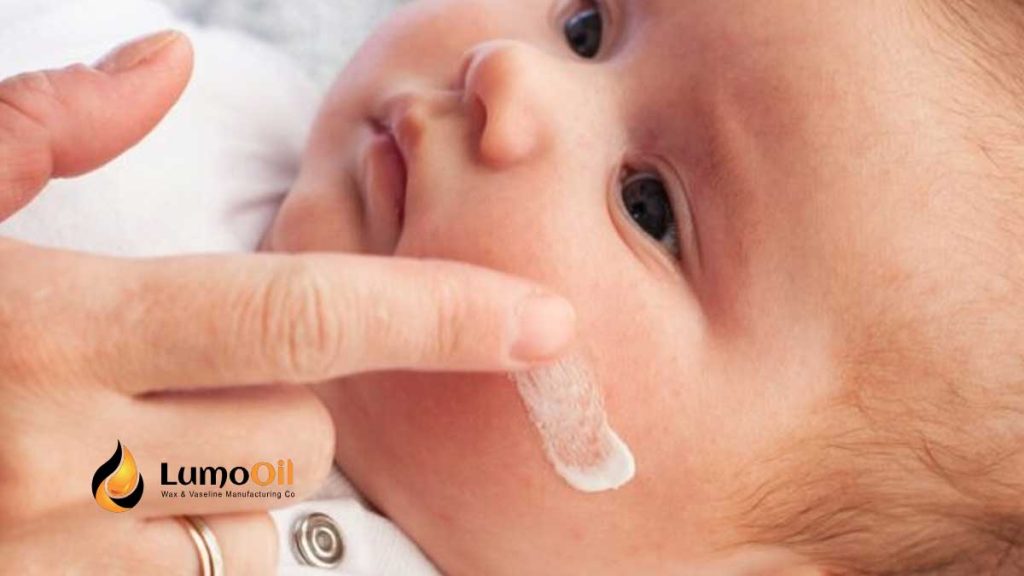
While liquid paraffin is generally considered safe for topical use, certain precautions are advisable:
- Avoid ingestion: Designed for external use only; ingestion can lead to adverse effects.
- Patch testing: Prior to widespread application, test on a small skin area to rule out potential allergic reactions.
- Consultation with healthcare professionals: Especially important for individuals with pre-existing skin conditions or sensitivities.
Environmental Considerations
As a petroleum derivative, the use of liquid paraffin raises environmental concerns. Sustainable and eco-friendly alternatives are being explored, aiming to reduce reliance on non-renewable resources and minimize ecological impact.
Conclusion
Liquid paraffin‘s role in skin care is undeniably significant, offering a range of benefits from moisturization to therapeutic applications in various dermatological conditions. Its versatility and efficacy have solidified its presence in both cosmetic and medical fields. However, mindful usage and consideration of environmental factors are essential to ensure safe and responsible application.