Residue Wax vs. Liquid Paraffin: What’s the Difference? When discussing petroleum-derived products, residue wax and liquid paraffin often come up as two important substances with distinct characteristics and applications. Understanding their differences is crucial for industries ranging from cosmetics to industrial manufacturing. In this article, we will explore the composition, properties, and uses of both residue wax and liquid paraffin, providing a detailed comparison.
What is Residue Wax?
Composition and Production
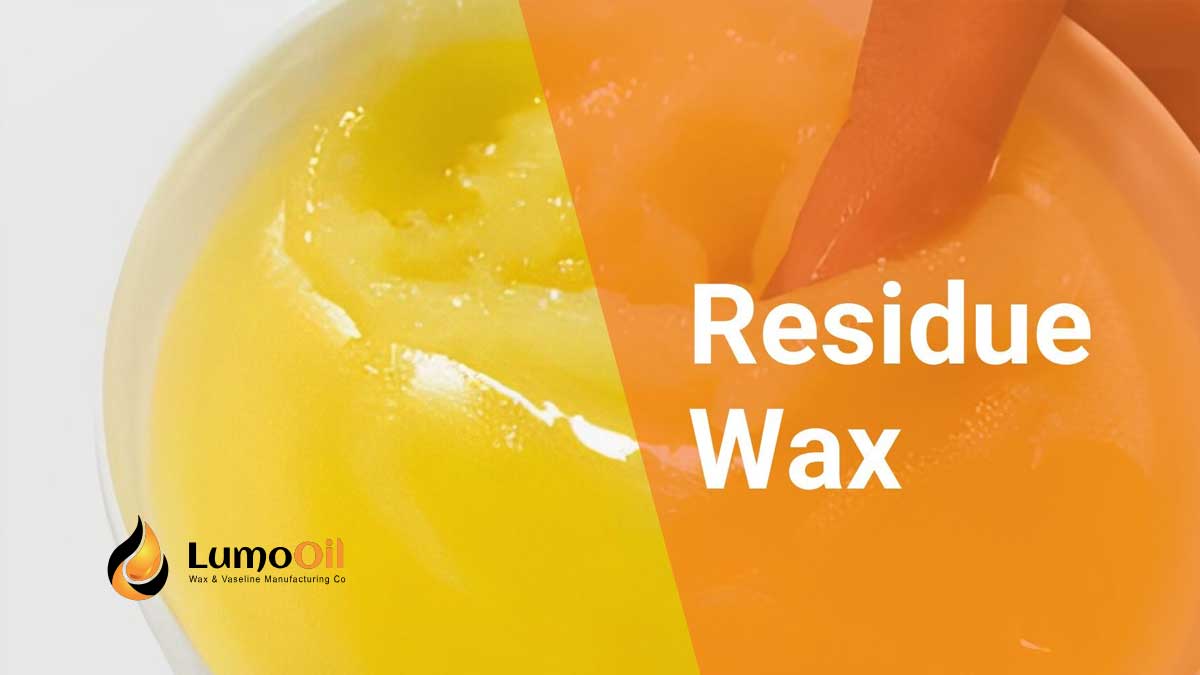
Residue wax, also known as slack wax, is a byproduct obtained during the refining of lubricating oils. It contains a mixture of paraffin wax, oil, and impurities, and serves as an intermediate material for producing fully refined paraffin wax.
Key Characteristics
- Appearance: Yellowish to brownish semi-solid wax
- Oil Content: Higher than refined paraffin wax
- Melting Point: Varies depending on oil content and refining process
- Odor: Mild petroleum-like smell
- Solubility: Insoluble in water, soluble in organic solvents
Common Uses of Residue Wax
Residue wax is widely used in industries that require wax with higher oil content. Some of its primary applications include:
- Candle manufacturing (as an additive to enhance burning properties)
- Rubber processing (as a softener and process aid)
- Textile industry (for water-resistant coatings)
- Polishes and coatings (as a key ingredient in protective layers)
- Industrial lubrication (as a raw material for certain lubricants)
What is Liquid Paraffin?
Composition and Production
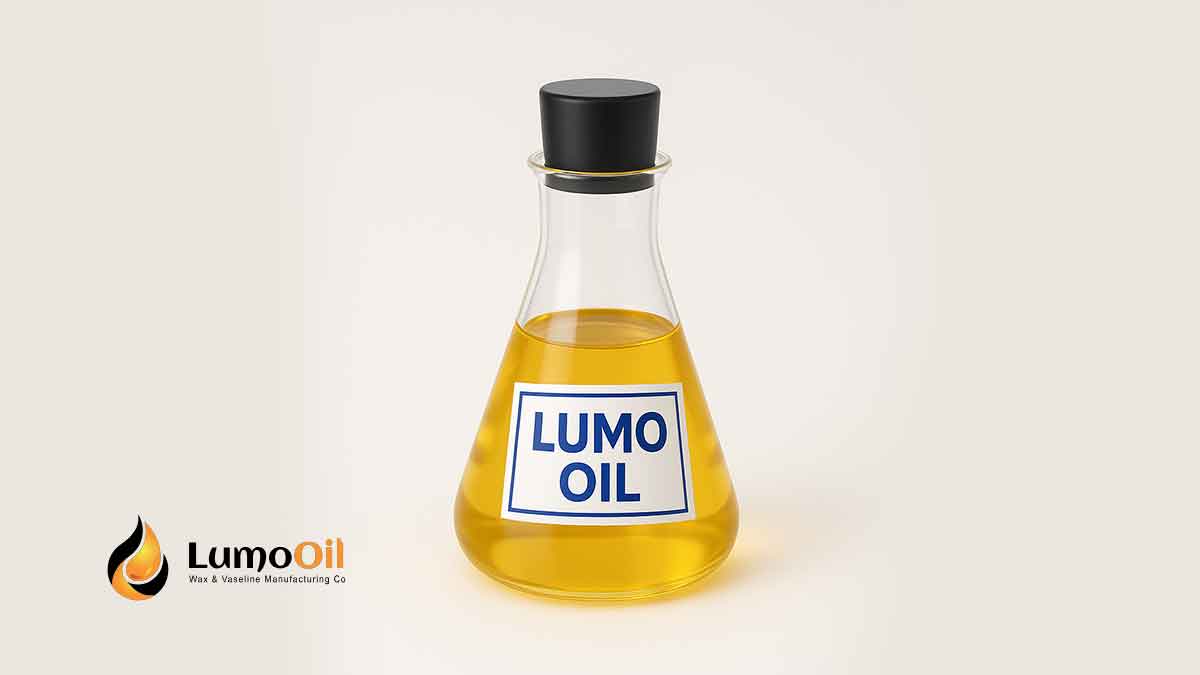
Liquid paraffin, often referred to as mineral oil, is a highly refined, clear, odorless oil derived from petroleum distillation. It consists primarily of saturated hydrocarbons, making it highly stable and chemically inert.
Key Characteristics
- Appearance: Transparent, colorless liquid
- Odor: Odorless
- Viscosity: Varies from light to heavy grades
- Solubility: Insoluble in water, soluble in organic solvents
- Purity: Available in industrial and pharmaceutical grades
Common Uses of Liquid Paraffin
Liquid paraffin is a versatile substance used in a variety of industries, including:
- Pharmaceuticals (as a laxative and base for ointments)
- Cosmetics and skincare (as a moisturizer and emollient in lotions and creams)
- Food industry (as a food-grade lubricant and anti-foaming agent)
- Textile and leather industries (as a finishing agent for softening fabrics and leather products)
- Machinery and lubrication (as a low-friction lubricant for delicate mechanical applications)
Key Differences Between Residue Wax and Liquid Paraffin

| Feature | Residue Wax | Liquid Paraffin |
|---|---|---|
| Physical State | Semi-solid | Liquid |
| Color | Yellow to brown | Transparent, colorless |
| Odor | Mild petroleum-like | Odorless |
| Oil Content | High | Low to none |
| Melting Point | Varies, solidifies at lower temperatures | Remains liquid at room temperature |
| Solubility | Insoluble in water | Insoluble in water |
| Common Uses | Candles, rubber, coatings | Cosmetics, pharmaceuticals, food processing |
Which One to Choose?
For Industrial Applications
If your requirement involves coatings, rubber processing, or candle manufacturing, residue wax is the better option due to its high oil content and semi-solid consistency.
For Health and Cosmetic Uses
If you need a product for cosmetics, pharmaceuticals, or food applications, liquid paraffin is the preferred choice due to its high purity, odorlessness, and chemical stability.
Conclusion: Residue Wax vs. Liquid Paraffin: What’s the Difference?
Both residue wax and liquid paraffin are essential petroleum derivatives, each serving distinct functions in various industries. Understanding their composition, properties, and applications helps in choosing the right product for specific needs. Whether for industrial manufacturing or personal care, selecting the correct material ensures efficiency and effectiveness in the intended applicati