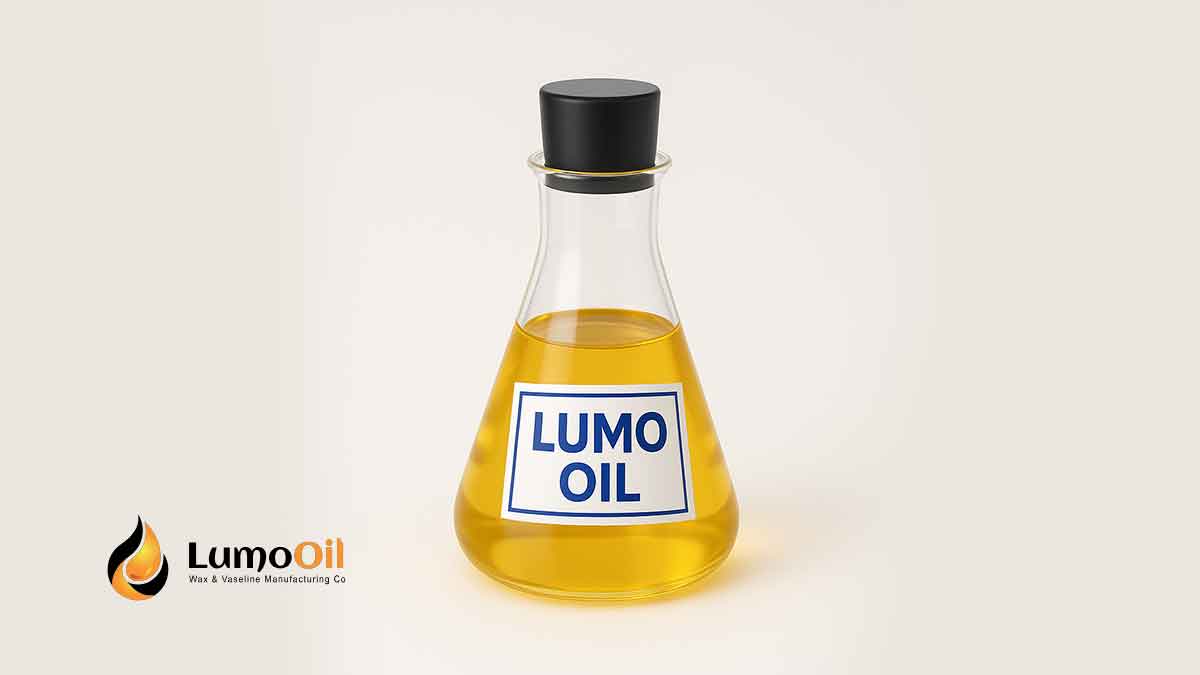

Light paraffin oil, also known as liquid paraffin or mineral oil, is a versatile and highly refined product with a wide array of applications spanning both everyday domestic use and heavy industrial sectors. Derived from petroleum through a meticulous distillation process, its unique properties—such as clarity, purity, lubrication, and non-reactivity—make it indispensable across various domains. In this comprehensive guide, we delve into the top uses of light paraffin oil, revealing its critical roles in homes, healthcare, cosmetics, agriculture, and industry.
1. Pharmaceutical and Medical Applications
One of the most critical uses of light paraffin oil is in the pharmaceutical industry, where it plays a vital role due to its safety and purity.
Laxatives and Digestive Aid
Light paraffin oil is commonly used as an oral or rectal laxative. It works by coating the bowel and stool with a waterproof film, keeping moisture in the stool and helping it pass more easily.
Skin Protectant and Moisturizer
In topical formulations, liquid paraffin acts as an emollient, soothing dry, scaly, or irritated skin. It is widely used in ointments, creams, and lotions for treating eczema, psoriasis, and diaper rash.
Base for Ointments
Pharmaceutical-grade light paraffin oil is used as a base for ointments and gels because it’s non-reactive and helps in the even dispersion of active ingredients.
2. Cosmetic and Personal Care Products
In the beauty and personal care industry, light paraffin oil is a staple ingredient thanks to its lubricating, moisturizing, and non-comedogenic properties.
Makeup Removers and Cleansing Oils
Light paraffin oil is often the main ingredient in oil-based makeup removers, as it effectively breaks down cosmetic particles without irritating the skin.
Hair Conditioners and Scalp Treatments
Many scalp oils and deep conditioning treatments incorporate light paraffin oil to lock in moisture, reduce flakiness, and improve hair texture.
Lip Balms and Glosses
The smooth, glossy finish of many lip balms and glosses is attributed to light paraffin, which also adds a protective barrier against dryness.
3. Industrial Lubrication and Machinery Maintenance
In heavy industries, light paraffin oil is crucial for the maintenance and performance of machinery and tools.
Machinery Lubricant
Light paraffin oil serves as a low-viscosity lubricant that minimizes friction in light-duty machines and tools, ensuring smooth operation and reducing wear and tear.
Cutting and Cooling Fluids
It’s also used in metalworking industries as a cutting oil to cool and lubricate during drilling, milling, or grinding processes.
Rust Prevention
When applied to metal surfaces, light paraffin oil acts as a protective film, preventing oxidation and corrosion in storage and transportation.
4. Food Industry and Agriculture

While the food-grade version of light paraffin oil is strictly regulated, it still finds numerous applications in food processing and agriculture.
Food Coatings and Release Agents
It is used to coat fruits and vegetables, giving them a glossy finish and extending shelf life. In baking, it acts as a mold-release agent for pans and trays.
Animal Feed Additive
In agriculture, it is added in animal feed to control dust, improve feed palatability, and serve as a carrier for fat-soluble vitamins.
Pest Control
Paraffin-based horticultural oils are sprayed on crops to suffocate insects and mites, providing an effective and environmentally friendly alternative to synthetic pesticides.
5. Lighting and Heating Applications
In many parts of the world, especially in rural and off-grid regions, light paraffin oil remains a critical fuel source.
Lamp Oil
Paraffin oil is widely used in kerosene lamps and lanterns, offering a clean and odorless burn when properly refined.
Space Heaters and Stoves
Specialized paraffin heaters use light paraffin oil to produce efficient and controllable heat, making them ideal for temporary heating in workshops or greenhouses.
6. Textile and Leather Processing
In the textile and leather industries, light paraffin oil plays a supporting but essential role in processing and finishing materials.
Textile Softener and Antistatic Agent
Paraffin oil is added during the weaving and finishing stages of textile manufacturing to reduce friction, increase smoothness, and act as an antistatic agent.
Leather Softening
It is also used to soften and condition leather, ensuring flexibility and prolonging product life.
7. Laboratory and Scientific Use
In laboratories, light paraffin oil serves several purposes that demand high chemical stability and inertness.
Bath Medium and Calibration
It is used as a heat transfer medium in oil baths for laboratory equipment and as a sealant in manometers and barometers.
Slide Mounting Medium
Microscopy labs use light paraffin oil as a mounting medium for microscope slides, especially when preserving biological specimens.
8. Household Applications
For the general consumer, light paraffin oil is an essential product for household maintenance and wellness.
Furniture Polish and Metal Shine
It is commonly used as a cleaner and polisher for wood furniture and stainless steel appliances, leaving behind a glossy, smudge-free finish.
Sewing Machine and Tool Lubrication
Hobbyists and crafters use light paraffin oil to lubricate sewing machines, hinges, locks, and small hand tools for smoother operation.
9. Printing and Packaging Industry
In printing and packaging, light paraffin oil enhances the efficiency and appearance of printed materials.
Ink Solvent and Carrier
Paraffin oil is used in printing inks as a solvent and viscosity adjuster, ensuring smooth flow and uniform application.
Packaging Film Treatment
Some plastic and cellulose films are coated with paraffin oil to reduce static, increase transparency, and improve surface glide.
Conclusion: Top Uses of Light Paraffin Oil in Daily Life and Industry
The diverse uses of light paraffin oil demonstrate its remarkable versatility and reliability across industries and households. From pharmaceuticals to petrochemicals, personal care to agriculture, it remains a silent yet powerful enabler in modern life. Its unique physical properties—clarity, lubrication, chemical stability, and non-toxicity—make it irreplaceable in both critical and everyday applications.