
What Is Paraffin and What Are Its Uses in 2025? Paraffin has long been recognized for its wide range of applications across various industries. As we enter 2025, the uses of paraffin continue to evolve with advancements in technology, sustainability efforts, and consumer needs. In this article, we explore what paraffin is, its properties, and how it is being utilized across different sectors today.
Understanding Paraffin: Composition and Properties
Paraffin refers to a group of hydrocarbons derived from petroleum or coal. It is commonly found in solid or liquid form, depending on its refining process and intended use. The primary components of paraffin are alkanes, which are saturated hydrocarbons known for their stability and non-reactive nature.
Key properties of paraffin include:
- Non-polarity: Paraffin is insoluble in water but dissolves in non-polar solvents like ether and benzene.
- Low Reactivity: It does not easily react with other substances, making it ideal for protective coatings and storage applications.
- High Energy Content: Paraffin contains significant caloric energy, which makes it valuable for fuel purposes.
- Thermal Stability: It can withstand moderate temperatures without degrading, though it melts at around 46–68°C (115–154°F).
Types of Paraffin: Solid vs. Liquid
Paraffin comes in two main forms:
1. Solid Paraffin (Paraffin Wax):
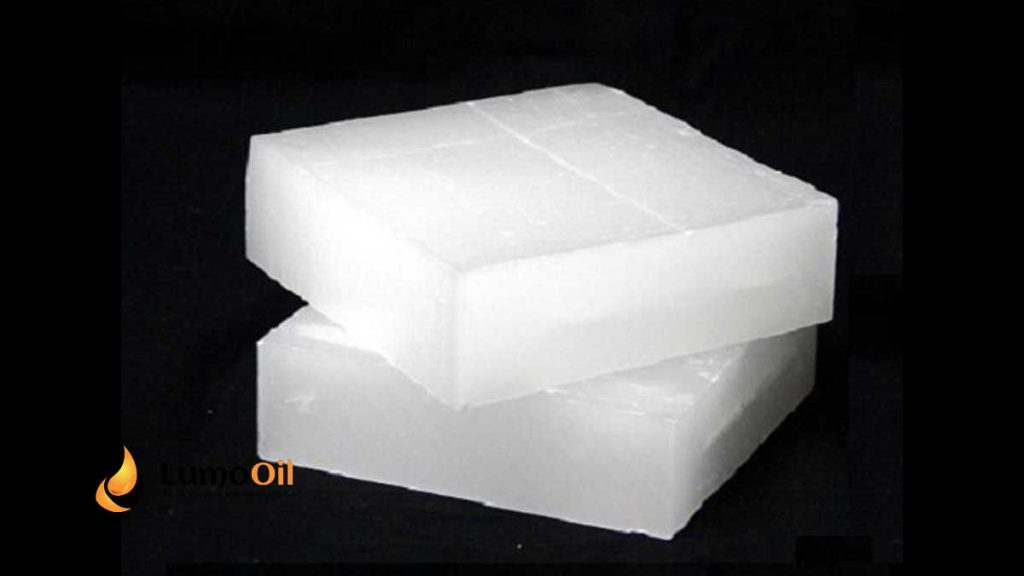
Solid paraffin is a white, odorless wax used in various applications, including candles, cosmetics, and industrial coatings. It has a relatively high melting point and is favored for its ability to form smooth, protective layers.
2. Liquid Paraffin (Mineral Oil):
Liquid paraffin, also known as mineral oil, is a clear, odorless oil commonly used in pharmaceuticals, cosmetics, and lubrication. It is available in different grades, ranging from technical to food and medical grades.
Modern Applications of Paraffin in 2025
1. Health and Wellness Industry
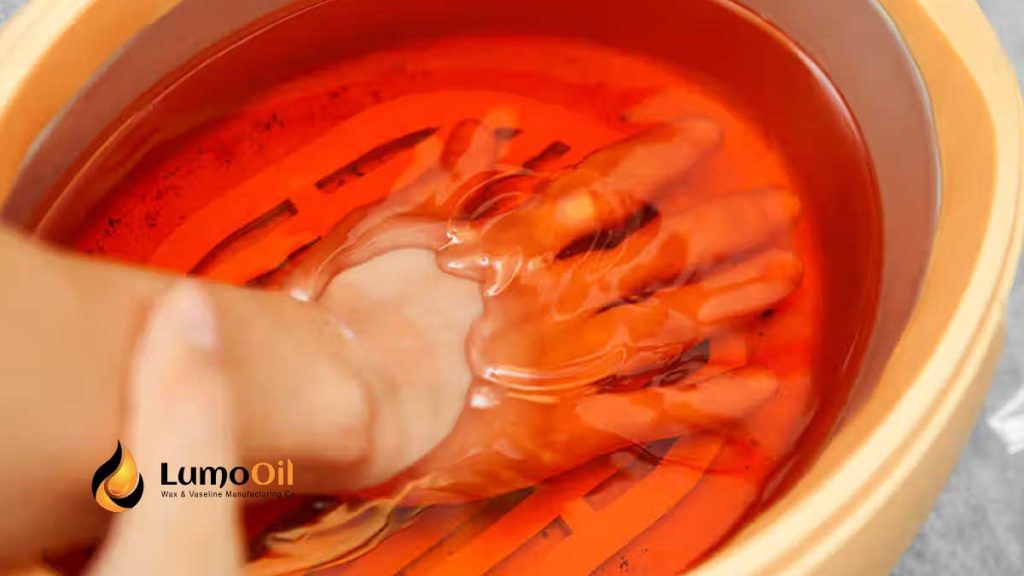
Paraffin continues to play a significant role in health and wellness. Paraffin wax therapy is a popular treatment for arthritis, joint pain, and muscle stiffness. In 2025, advancements in paraffin-based therapeutic products include self-heating wraps and reusable wax packs that provide consistent heat distribution.
Moreover, liquid paraffin remains a crucial ingredient in medical-grade laxatives and skin emollients. The pharmaceutical industry now offers more eco-friendly, biodegradable packaging for liquid paraffin products.
2. Cosmetics and Personal Care
The beauty industry relies heavily on paraffin for its moisturizing and protective properties. In 2025, paraffin-based skincare products have advanced to include:
- Eco-conscious candles and balms
- Sustainable paraffin masks for deep hydration
- Hair treatments that lock in moisture
With increased awareness about sustainability, many brands now use refined, eco-friendly paraffin sourced from greener production methods.
3. Industrial and Manufacturing Uses
Paraffin’s insulating and lubricating properties make it indispensable in industrial applications. In 2025, the manufacturing sector continues to use paraffin for:
- Electrical insulation: Protecting sensitive components from moisture and corrosion
- Lubrication: Ensuring smooth operation of machinery without attracting dust
- Packaging: Coating paper and cardboard for moisture resistance
Advanced paraffin formulations now offer enhanced thermal stability and biodegradability, aligning with environmental regulations.
4. Food Industry Applications
In the food industry, paraffin remains vital for coating fruits, vegetables, and candies, providing a protective barrier that enhances shelf life. Food-grade liquid paraffin is also used as a release agent in baking and confectionery.
In 2025, innovations include plant-based paraffin alternatives and biodegradable wax coatings that maintain the benefits of traditional paraffin while reducing environmental impact.
5. Energy Sector and Candle Production
Paraffin candles remain popular due to their clean burn and long-lasting flame. In 2025, sustainable paraffin candles are produced using carbon-neutral methods and blended with plant-based waxes for a reduced environmental footprint.
Moreover, paraffin continues to serve as a phase change material (PCM) in energy storage systems. These advanced systems store excess energy as latent heat, improving efficiency in renewable energy grids.
6. Agriculture and Horticulture
Paraffin plays a crucial role in modern agriculture. It is used for:
- Plant protection: Coating seeds to prevent moisture loss
- Controlled-release fertilizers: Encapsulating nutrients for gradual dispersion
- Crop storage: Wax coatings extend the shelf life of produce
In 2025, biodegradable paraffin coatings have become the norm, reducing environmental concerns while maintaining effectiveness.
Environmental Impact and Sustainable Alternatives
While paraffin traditionally raised environmental concerns due to its petroleum origins, advancements in 2025 have led to more sustainable production methods. These include:
- Recycled Paraffin: Derived from repurposed wax materials, reducing waste.
- Plant-Based Paraffin: Made from renewable resources like soy and coconut.
- Biodegradable Blends: Combining traditional paraffin with eco-friendly additives.
Additionally, modern refining processes have significantly reduced emissions and energy consumption, making paraffin production more environmentally responsible.
Conclusion: The Future of Paraffin in 2025 and Beyond
Paraffin remains an indispensable material in various industries, from health and cosmetics to energy and agriculture. With advancements in sustainable production and innovative applications, paraffin continues to meet modern demands while minimizing environmental impact. As we move further into the decade, the focus will remain on enhancing efficiency, reducing waste, and developing greener alternatives.